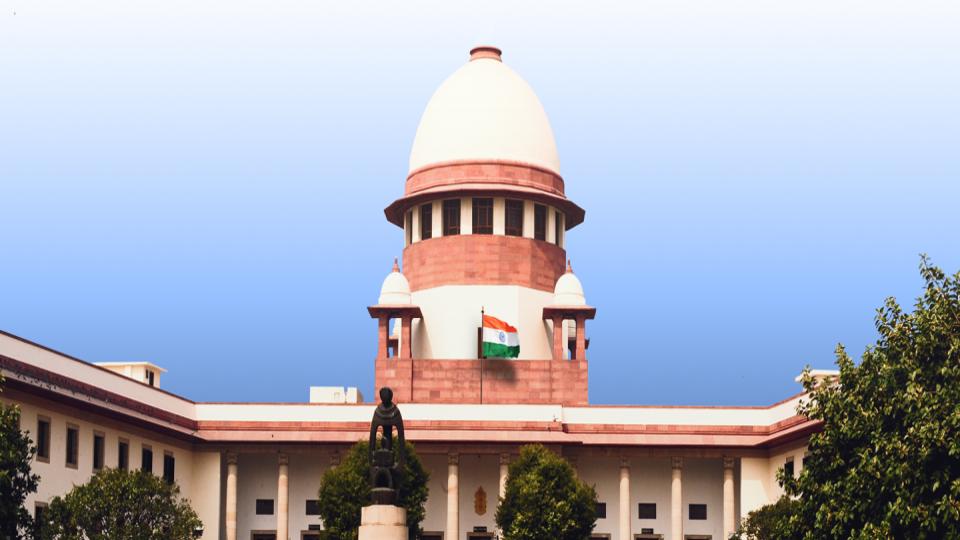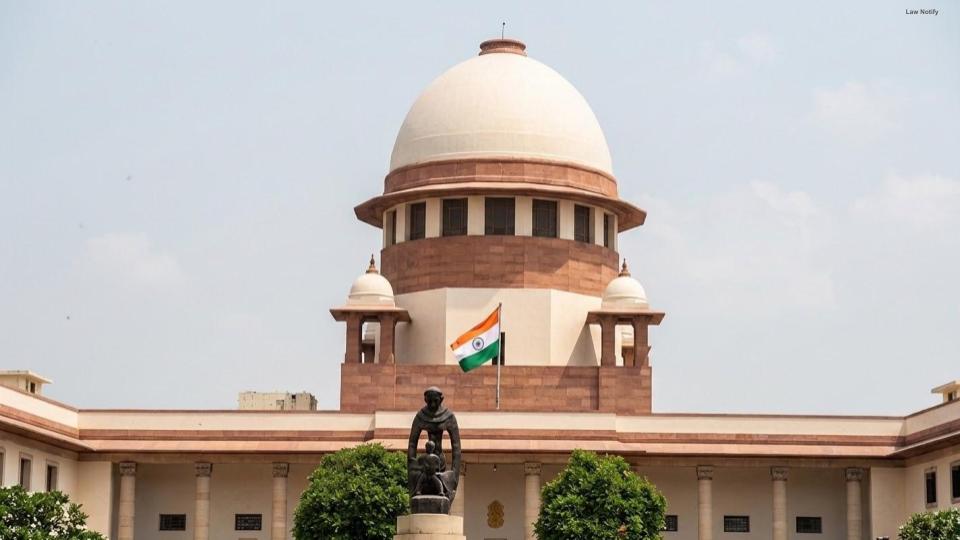
August 4, 2026 : The Supreme Court has introduced a structured mechanism to ensure that women advocates receive 30% representation in the governing and executive bodies of Bar Associations across the country, even in situations where elections do not produce the required level of representation.
Clarifying the implementation of its earlier directions, the Court held that the objective is not merely to reserve seats in principle but to guarantee that women occupy at least 30% of leadership positions in every Bar Association. If an insufficient number of women advocates contest or are elected, the remaining vacancies must be filled through a transparent nomination process.
Under the mechanism laid down by the Court, nominations will be made by the Administrative Judge or Portfolio Judge of the concerned High Court. The process will be undertaken after consultation with the concerned District and Sessions Judge, the elected office-bearers of the respective Bar Association, and the senior-most women advocates of the District Bar Association. This consultative approach is intended to ensure fairness, transparency and meaningful participation in the selection process.
The Court has further directed that the tenure of nominated women members will be co-terminus with the tenure of the elected governing body, ensuring that nominated representatives serve as part of the same electoral cycle rather than as separate appointees.
These directions form part of the Supreme Court’s continuing efforts to secure meaningful participation of women within the institutional framework of the legal profession. Earlier, the Court had directed that 30% representation for women be ensured in every State Bar Council, with 20% of seats filled through elections and the remaining 10% through co-option. It also clarified that if adequate women candidates do not contest the elective seats, the resulting shortfall must be addressed through co-option.
The latest order reinforces that the prescribed quota cannot remain merely aspirational. Instead, it establishes a practical mechanism to ensure that the required representation is achieved in every Bar Association, regardless of electoral outcomes.
The Supreme Court has also warned Bar Associations against ignoring its directives. In its April 2026 order, the Court observed that Bar Associations failing to comply with the mandate could face judicial action, including suspension of the governing body followed by fresh elections.
The Court has consistently emphasized that greater participation of women in Bar Councils and Bar Associations advances the constitutional principles of equality, inclusivity and empowerment. In December 2025, it directed that women should occupy 30% of seats in the remaining State Bar Councils, while also permitting the Bar Council of India and State Bar Councils to submit proposals aimed at strengthening gender inclusivity and, where necessary, increasing the overall strength of these bodies.
With the latest directions, the Supreme Court has created a clear fallback mechanism to address situations where elections alone fail to secure adequate representation. By entrusting the nomination process to judicial authorities in consultation with key stakeholders of the legal fraternity, the Court has sought to ensure that women’s participation in the leadership of Bar Associations becomes an enforceable institutional reality rather than a symbolic commitment.
The ruling underscores that gender diversity in the governance of the legal profession is a constitutional imperative requiring effective implementation through both electoral and institutional mechanisms.