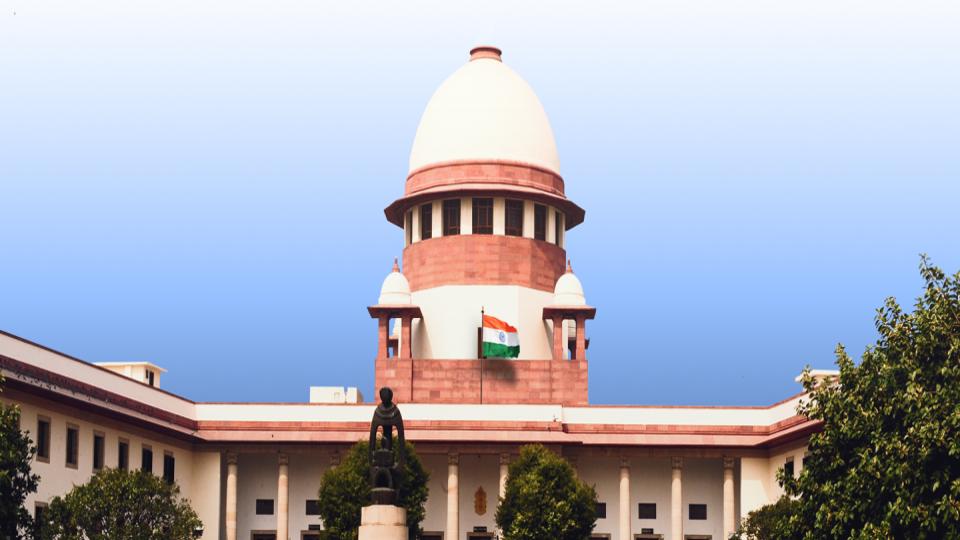
April 5, 2026 : The Supreme Court of India has constituted a nine-judge Constitution Bench to take up the long-pending review petitions in the Sabarimala matter, nearly six years after its landmark 2018 ruling permitting entry of women of all age groups into the Sabarimala Temple. The Bench, led by Chief Justice of India Surya Kant and comprising eight other judges, is scheduled to commence hearings on April 7, with proceedings expected to continue until April 22.
The case, which has seen limited movement since detailed hearings in February 2020, was delayed due to procedural and legal complexities. Earlier this year, a three-judge Bench issued directions to streamline the process, paving the way for the present Constitution Bench.
What began as a dispute over temple entry has now evolved into a broader constitutional examination. At the centre lies the interpretation of religious freedom under Articles 25 and 26 of the Constitution of India, particularly how these rights interact with guarantees of equality and non-discrimination.
A key issue before the Court is the scope of the Essential Religious Practices doctrine. Traditionally, courts have used this doctrine to determine whether a practice is fundamental to a religion and therefore protected. However, this approach has drawn criticism for requiring judges to interpret religious tenets, raising concerns about its compatibility with a secular constitutional framework.
The Bench will also examine the concept of constitutional morality and whether it should prevail when religious practices conflict with fundamental rights. If given primacy, practices that exclude or discriminate especially on gender grounds could face constitutional invalidation. Conversely, limiting its application may expand the autonomy of religious denominations.
Importantly, the implications of this case extend beyond Sabarimala. The Court will consider related issues, including the Dawoodi Bohra community’s practice of excommunication and the question of whether a Parsi woman retains her religious identity after marrying outside the faith. These matters similarly test the boundaries between collective religious rights and individual freedoms.
Another significant question is whether individuals who are not members of a particular religious group can challenge its practices, particularly through public interest litigation. The Court’s stance on this issue will shape the future of judicial intervention in religious matters.
The proceedings are also expected to address the ongoing tension between group autonomy and individual rights, with women’s equality and participation often at the forefront. The Bench may further explore whether all religious practices should be treated uniformly or whether certain issues such as those involving bodily autonomy require a distinct constitutional approach.
Finally, the Court will consider whether the rights of religious denominations under Article 26 operate independently or remain subject to the overarching framework of fundamental rights. The outcome is likely to have far-reaching consequences for the interpretation of religious freedom in India.