 111
111 2
2 3
3 4
4 5
5 6
6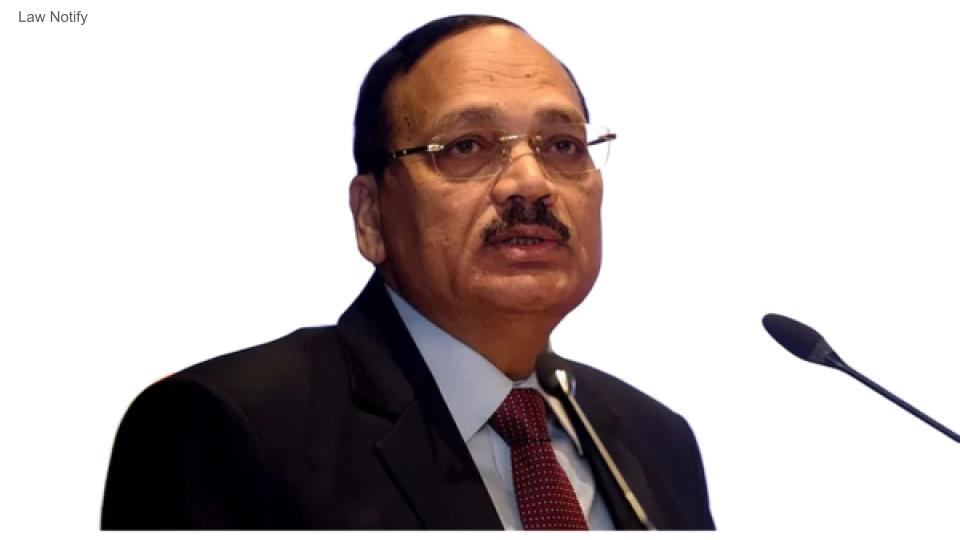 7
7 8
8 910
910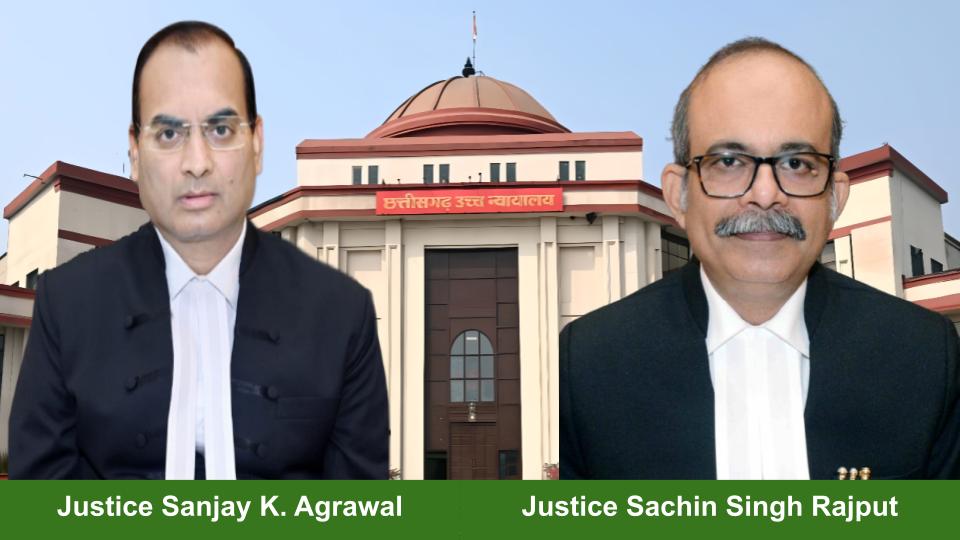
News Citation : 2026 LN (HC) 279 | 2026:CGHC:19077-DB
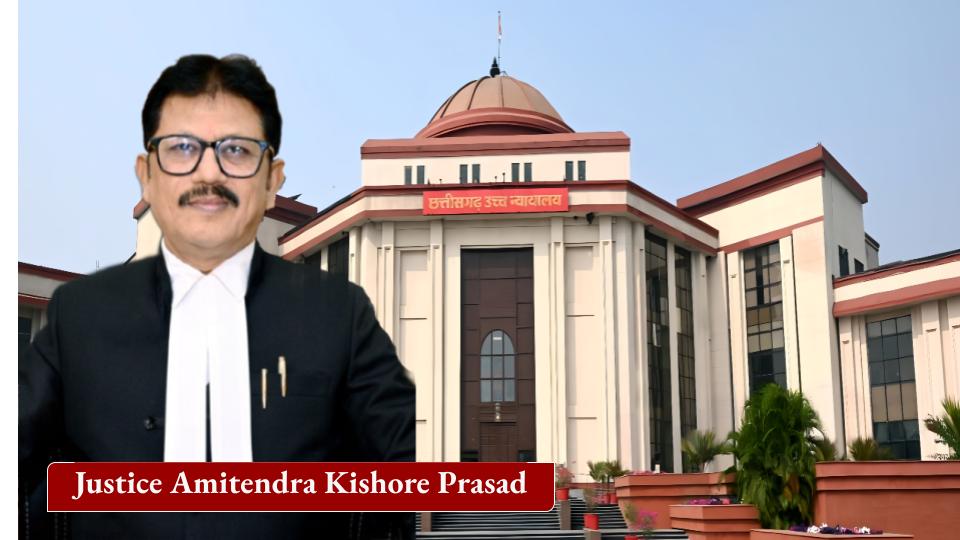
April 25, 2026 : In a significant judgment reinforcing the constitutional safeguards for government employees, the High Court of Chhattisgarh has dismissed a petition filed by the Union of India against a trainee who was terminated without a formal inquiry. The Division Bench, comprising Justice Sanjay K. Agrawal and Justice Sachin Singh Rajput, affirmed that even probationers are entitled to the protections of Article 311(2) of the Constitution when their termination is based on allegations of misconduct.
The legal battle began when Manish Kumar Patel, appointed as a Trainee Skilled Artisan on compassionate grounds at the Wagon Repair Shop in Raipur, was terminated from his service on June 17, 2014. The railway authorities issued the termination order following Patel’s unauthorized absence from duty between March 1, 2013, and October 3, 2013. While the petitioners argued that the removal was a simple termination of a trainee, the Central Administrative Tribunal (CAT) previously ruled that because the dismissal was rooted in “misconduct,” a proper departmental inquiry was mandatory.
During the proceedings, the Union of India, represented by Deputy Solicitor General Ramakant Mishra, contended that as a probationer, Patel could be terminated “simplicitor” without the necessity of a departmental hearing. However, the High Court disagreed, noting that the petitioners had specifically cited unauthorized absence—a form of misconduct—as the reason for his removal.
Citing landmark Supreme Court precedents, including Parshotam Lal Dhingra v. Union of India and The State of Bihar v. Gopi Kishore Prasad, the court emphasized that when the government chooses to brand an employee’s exit with the stigma of misconduct or incompetence, they must provide a reasonable opportunity for the employee to defend themselves. The court noted that instead of taking the “easy course” of a simple discharge, the government had initiated proceedings that effectively punished the respondent.
Ultimately, the High Court found no jurisdictional error in the CAT’s original order, which had quashed the termination and remitted the matter back to the authorities for a fresh look in accordance with the law. The writ petition was dismissed on April 25, 2026, solidifying the legal requirement for due process even for those in the earliest stages of their public service careers.
Case Reference : W.P.(S) No. 3756 of 2025: Union of India & Ors. v. Manish Kumar Patel (Counsels: Mr. Ramakant Mishra, Deputy SGI for Petitioners; Mr. B.P. Rao, Adv. for Respondent).