News Citation : 2026 LN (HC) 320 | 2026:JHHC:12970
May 1, 2026 : The High Court of Jharkhand at Ranchi has declined to quash criminal proceedings against a couple accused of dowry harassment and cruelty, holding that the allegations against them are specific, direct, and sufficient to warrant trial.
The case arose from a petition filed under Section 482 of the Code of Criminal Procedure seeking to quash an FIR and a cognizance order passed by a Judicial Magistrate in Ranchi. The accused, a mother-in-law and father-in-law, had challenged the proceedings initiated under Sections 498A, 323, 342, and 506 of the Indian Penal Code, along with Sections 3 and 4 of the Dowry Prohibition Act.
According to the complaint, the woman alleged that her in-laws demanded substantial dowry at the time of her marriage, including ₹5 lakh in cash and expensive jewellery. Although her family provided a portion of the demanded amount along with household items, the accused were allegedly dissatisfied and continued to harass her for additional dowry.
The complaint details repeated incidents of physical and mental cruelty, including assault, confinement, and deprivation of food. The woman further alleged that she was forced out of her matrimonial home and pressured to bring an additional ₹3 lakh. Despite attempts at reconciliation through mediation, the alleged harassment continued even after she returned to her husband’s home.
During the COVID-19 lockdown, the complainant claimed that the abuse escalated, with allegations that she was locked in a room without food, deprived of basic facilities, and subjected to degrading treatment as a means to coerce further dowry payments.
After investigation, the police filed a charge sheet concluding that the allegations were substantiated. The Magistrate subsequently took cognizance of the offences.
The petitioners argued before the High Court that they had been falsely implicated solely due to their relationship with the complainant. They relied on a recent Supreme Court ruling cautioning courts against casually implicating relatives in matrimonial disputes without specific allegations.
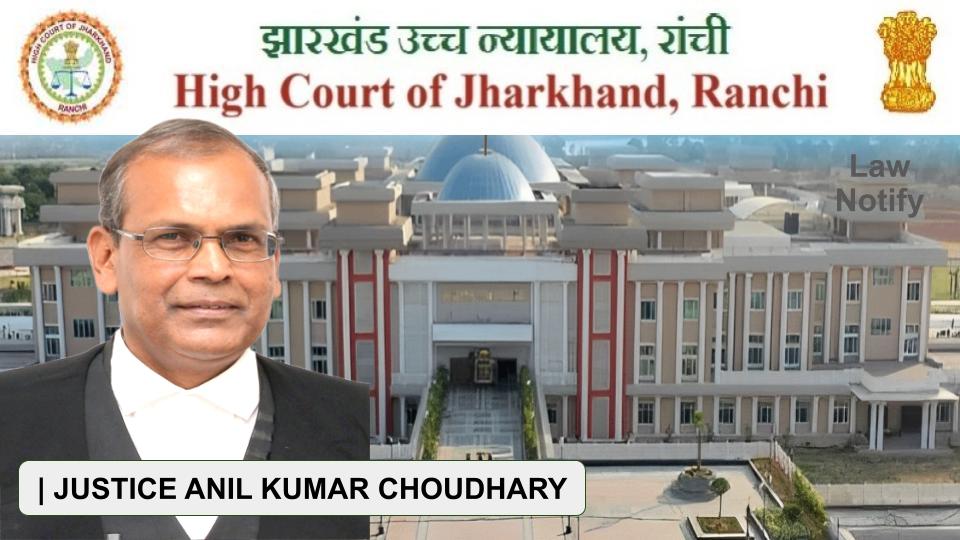
However, the Justice Anil Kumar Choudhary rejected this argument, noting that the present case involved clear and specific accusations against the petitioners, who were residing in the same household as the complainant. The Court distinguished the cited Supreme Court judgment, observing that it applied to cases involving distant relatives or vague allegations, which was not the situation here.
The Court emphasized that at the stage of cognizance, it is sufficient if the materials on record disclose prima facie offences. It also reiterated that issues relating to framing or modification of charges are to be considered at the trial stage, not during cognizance.
Finding that the allegations, if taken at face value, clearly constituted offences under the relevant provisions, the Court held that this was not a fit case for exercising its inherent powers to quash proceedings. Accordingly, the petition was dismissed, and the criminal case will proceed before the trial court.
Case Reference : Cr.M.P. No. 2725 of 2022, Bhagwati Agarwal @ Bhagwati Devi and Another vs. State of Jharkhand and Another; Counsels: For the Petitioners: Mr. Atanu Banerjee, Advocate; For the State: Mrs. Priya Shrestha, Spl. P.P.; For O.P. No. 2: Mr. Amitabh, Advocate and Mr. Rajesh Kumar, Advocate.