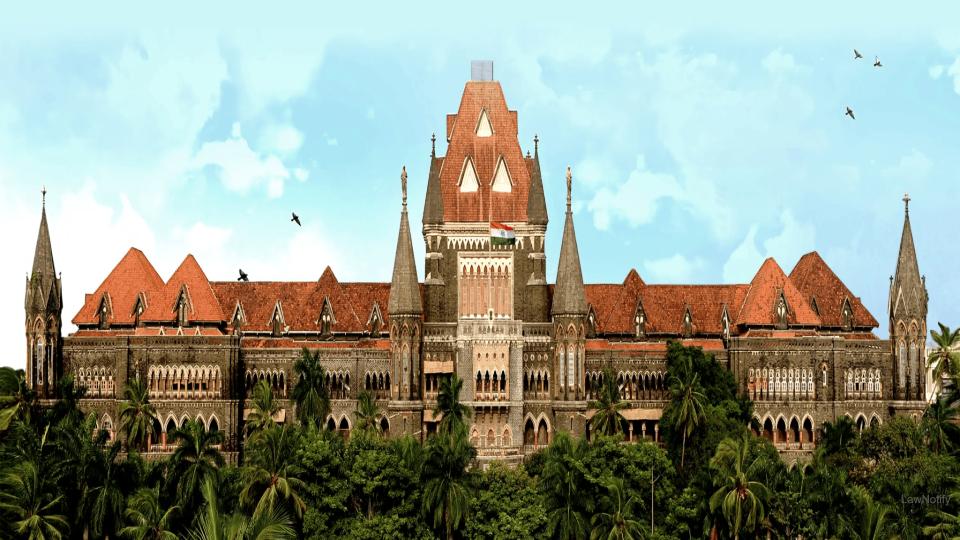
July 10, 2026 : The Bombay High Court has granted interim protection to Bollywood actor Preity Zinta in a significant case concerning the misuse of artificial intelligence and personality rights. The Court directed Google LLC, Meta Platforms, X, YouTube and several other online intermediaries to remove and block AI-generated deepfakes, fake chatbot personas, manipulated images, GIFs and other unauthorised digital content exploiting the actor’s identity without her consent.
Justice Madhav J. Jamdar, hearing the matter as a single judge, held that Zinta had established a strong prima facie case for interim relief. The Court observed that the unauthorised creation, publication and circulation of AI-generated deepfakes, morphed photographs, superimposed videos and other manipulated digital content using her identity amounted to a prima facie infringement of her personality rights, publicity rights and moral rights. The interim injunction will remain in force until further orders.
According to the suit, Preity Zinta’s identity has been widely misused across multiple digital platforms through AI-generated videos, morphed photographs, voice simulations, fake chatbot personas, unauthorised merchandise, GIFs and manipulated images that falsely suggested her endorsement, sponsorship or association with various products and services.
The plaint identified more than 275 infringing URLs hosted on platforms including YouTube, Facebook, Instagram and X, along with several websites, domain names and AI-powered services allegedly exploiting her identity for commercial gain. Zinta argued that her name, image, likeness, voice, distinctive smile, mannerisms, caricatures and overall public persona are valuable commercial attributes over which she enjoys exclusive personality and publicity rights.
She further contended that the unauthorised commercial exploitation of these attributes amounted to misappropriation of her identity, diluted her goodwill and reputation, and violated her moral rights under Section 38-B of the Copyright Act, 1957. The suit also sought protection against unidentified persons impleaded as John Doe defendants.
After examining the material placed on record, the High Court found that the plaintiff had demonstrated extensive misuse of her identity through AI-generated deepfakes, manipulated images, superimposed videos, chatbot services enabling users to interact with AI-generated versions of her, and unauthorised online merchandise bearing her name and likeness.
The Court observed that such digital manipulation was capable of misleading the public, commercially exploiting the actor’s reputation and causing irreversible damage to her public image.
Justice Jamdar noted that once AI-generated deepfake content is uploaded online, it can be endlessly replicated, redistributed and reproduced, making the resulting harm to an individual’s personality rights and reputation extremely difficult to reverse. The Court held that such misuse required immediate judicial intervention to prevent continuing infringement.
The High Court reiterated that personality and publicity rights derive constitutional protection from Articles 19(1)(a) and 21 of the Constitution, which safeguard the rights to freedom of speech and expression, privacy, dignity and personal autonomy. It also held that the unauthorised exploitation of the actor’s identity prima facie affected her moral rights protected under the Copyright Act.
Referring to Rule 3 of the Information Technology (Intermediary Guidelines and Digital Media Ethics Code) Rules, 2021, the Court observed that online intermediaries have a statutory duty to exercise due diligence while dealing with unlawful and infringing content hosted on their platforms.
During the hearing, the Court also orally cautioned technology companies and digital platforms over the increasing misuse of artificial intelligence, observing that global technology companies must take greater responsibility to ensure that their platforms are not used to violate the fundamental rights of individuals.
Accordingly, the High Court directed Google, YouTube, Meta, X and other intermediaries to remove, block or disable access to the identified infringing URLs within 72 hours. It further ordered the platforms to take similar action against any future infringing URLs notified by the plaintiff within the same time frame, while permitting them to approach the Court if any notified content was believed to be genuine or non-infringing.
The Court also restrained the defendants, including unknown persons, from creating, publishing, circulating, reproducing, distributing or commercially exploiting Preity Zinta’s name, image, voice, likeness, persona or other identifying attributes through AI chatbots, digital avatars, deepfakes, face-morphing technology, manipulated videos, GIFs or any similar artificial intelligence-based tools without her express authorisation.
Additionally, the Court directed certain digital platforms to disable AI-generated characters created using the actor’s identity, prevent the creation of fresh AI personas bearing her name, image or voice, and instructed domain name registrars to disclose registration details of operators of infringing websites whenever required in accordance with law.
Since the defendants did not oppose the grant of interim protection but expressed practical concerns regarding future takedown requests, the Court clarified that intermediaries may raise objections if any notified URL contains legitimate or non-infringing content and may seek appropriate directions from the Court.
The matter has been listed for further hearing on September 3, 2026, with the ad-interim injunction continuing until further orders.