News Citation : 2026 LN (HC) 313 | 2026:JHHC:12179-DB
April 27, 2026 : The Jharkhand High Court has dismissed a writ petition filed by the Railways challenging a Central Administrative Tribunal (CAT) order that directed refund of ₹2.23 lakh recovered from a retired employee’s gratuity. The court found no legal error in the Tribunal’s decision and upheld the protection against such recoveries laid down by the Supreme Court.
The case arose from a dispute involving Firoz Khan, a former Chief Commercial Supervisor with the South Eastern Railway, who had been compulsorily retired in December 2017 following departmental proceedings citing multiple punishments and doubtful integrity. After his retirement, railway authorities discovered that due to an error in pay fixation dating back to 2010, he had been overpaid. Acting on this, the Railways recovered ₹2,23,819 from his retirement benefits in July 2024.
Khan challenged this recovery before the CAT, which partly allowed his application in October 2025. The Tribunal set aside the recovery order and directed that the deducted amount be refunded, relying on the Supreme Court’s ruling in State of Punjab v. Rafiq Masih, which restricts recovery of excess payments in certain situations, especially where the employee is not at fault.
The Railways then approached the High Court under Article 226 of the Constitution, arguing that the excess payment resulted from an administrative mistake and that recovery was justified to correct the error.
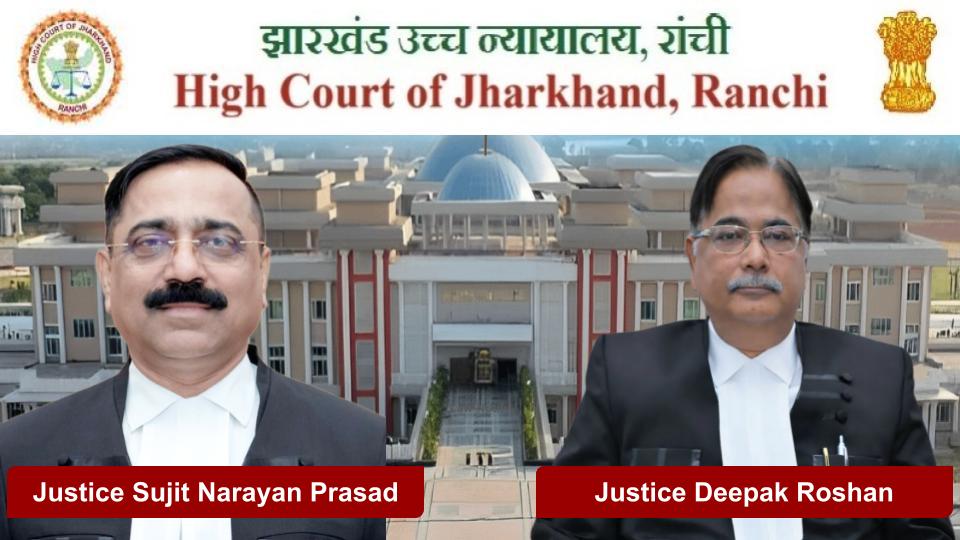
However, the Division Bench of Justice Sujit Narayan Prasad and Justice Sanjay Prasad rejected this argument. The court emphasized that judicial review in such matters is limited to examining whether there is an apparent error, jurisdictional issue, or perversity in the Tribunal’s order. It found none.
The bench noted that the excess payment had been made due to the employer’s mistake and not because of any misrepresentation by the employee. It also highlighted that the recovery was initiated nearly nine years after the overpayment began and after the employee had already retired, placing the case squarely within the categories where recovery is impermissible under the Rafiq Masih judgment.
Importantly, the court observed that the employee belonged to Group ‘C’ service, another category protected from such recoveries. It also clarified that the issues of compulsory retirement and pay fixation were distinct, and the recovery could not be justified merely because the employee had faced disciplinary action earlier.
Concluding that the Tribunal had correctly applied the law and facts, the High Court declined to interfere and dismissed the writ petition.
Case Reference : W.P. (S) No. 2839 of 2026, Union of India & Ors. vs Firoz Khan; Counsels: For the Petitioners: Mr. Vaibhav Kumar, Advocate; For the Respondent: None.