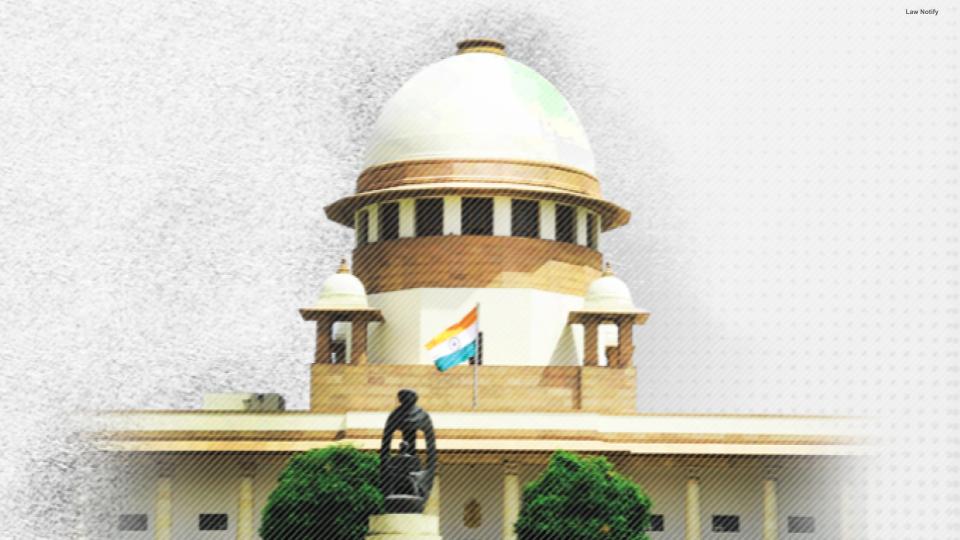
May 28, 2026 : The Supreme Court has held that while officers belonging to the All India Services (AIS) require mandatory approval from the Central Government to avail voluntary retirement, such power cannot be exercised arbitrarily or without due consideration of the recommendation made by the concerned State Government.
A Bench of Justice Pamidighantam Sri Narasimha and Justice Alok Aradhe made the observation while allowing an appeal filed by a Maharashtra cadre Indian Police Service (IPS) officer whose request for voluntary retirement was rejected by the Ministry of Home Affairs (MHA). The Court set aside the concurrent rulings of the Bombay High Court and the Central Administrative Tribunal (CAT), both of which had upheld the Centre’s decision.
The Court clarified that under the All India Services (Death-cum-Retirement Benefits) Rules, voluntary retirement by AIS officers is subject to approval by the Union Government. However, it emphasized that such statutory discretion must be exercised on the basis of objective material, proper application of mind and reasoned consideration of the State Government’s assessment, particularly since the State Government directly supervises the officer concerned.
The Bench observed that although the Central Government is not legally bound by the State Government’s recommendation, such recommendation carries considerable evidentiary and persuasive value in matters relating to service conduct, vigilance clearance and disciplinary proceedings. It held that the Union Government cannot form an adverse opinion unsupported by the material available on record.
The dispute arose after the appellant’s third application seeking voluntary retirement, submitted on August 1, 2019, was rejected by the MHA on October 25, 2019. The rejection order stated that disciplinary proceedings were pending or contemplated against the officer and that he was therefore not clear from the vigilance angle.
However, the Supreme Court noted that before rejecting the request, the Maharashtra Government had recommended acceptance of the officer’s VRS application through a communication dated October 16, 2019. The State Government had specifically recorded that no charge sheet had been issued against the officer in any proceeding and that disciplinary action remained only at a preliminary or contemplated stage. It had further opined that no major penalty was likely to be imposed.
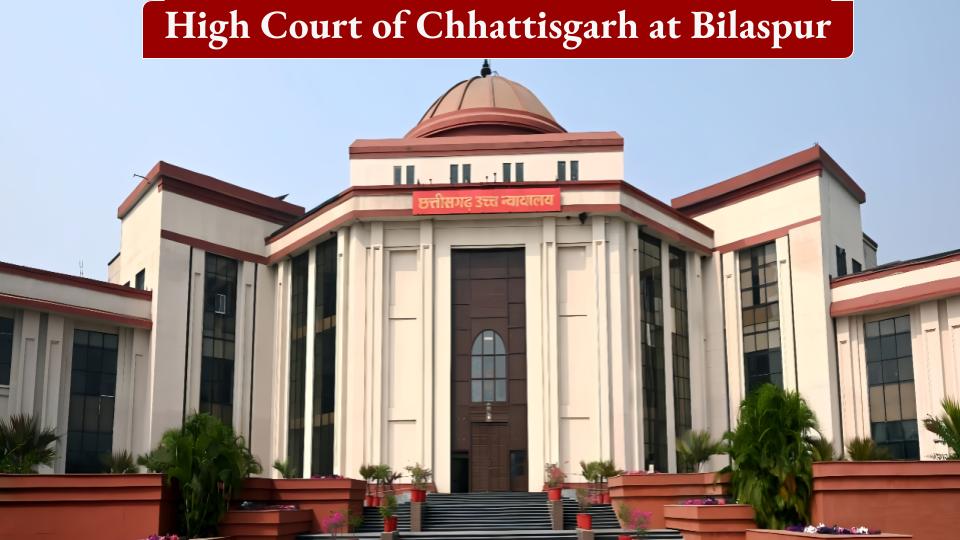
After the rejection, the officer approached the Central Administrative Tribunal, which dismissed his plea. The Bombay High Court later affirmed the Tribunal’s order, prompting the officer to move the Supreme Court.
Allowing the appeal, the apex court held that the rejection order reflected non-application of mind and lacked proper reasoning. The Bench observed that the Central Government failed to distinguish between various complaints pending against the officer and mechanically relied upon broad expressions such as “disciplinary proceedings pending or contemplated” without examining whether any proceedings had actually crystallised in law.
The Court further held that the Centre failed to meaningfully engage with the State Government’s assessment and did not provide sufficient reasons for departing from the recommendation supporting voluntary retirement. It reiterated that administrative decisions carrying civil consequences must conform to principles of fairness, reasonableness and rationality under administrative law.
The Supreme Court also took note of the prolonged delay in initiation and completion of disciplinary proceedings after the VRS request was rejected. Referring to settled principles of service jurisprudence, the Bench observed that unexplained delays in disciplinary proceedings may themselves prejudice an employee and undermine procedural fairness.
In view of these findings, the Court allowed the appeal and directed the Central Government to reconsider the officer’s request for voluntary retirement afresh in accordance with law after properly evaluating all relevant material, including the recommendation made by the Maharashtra Government.