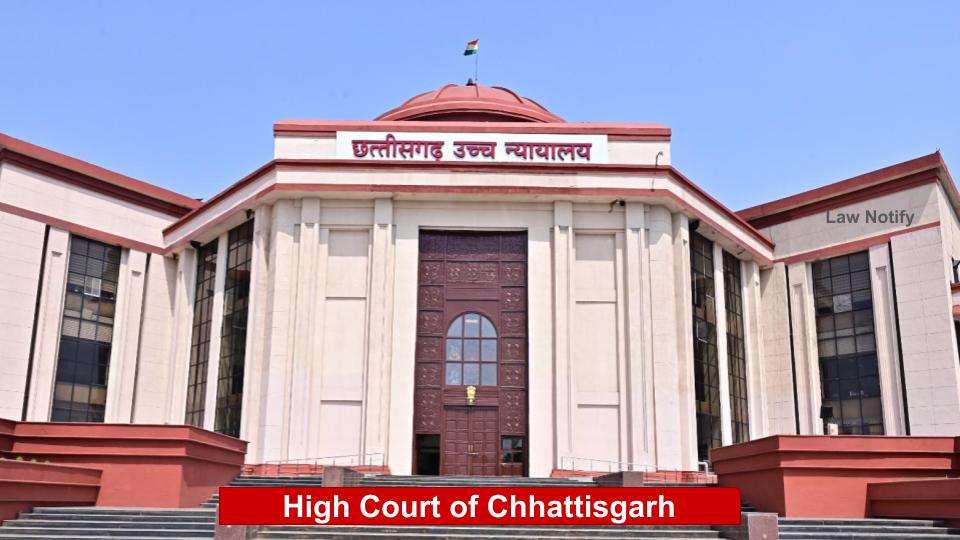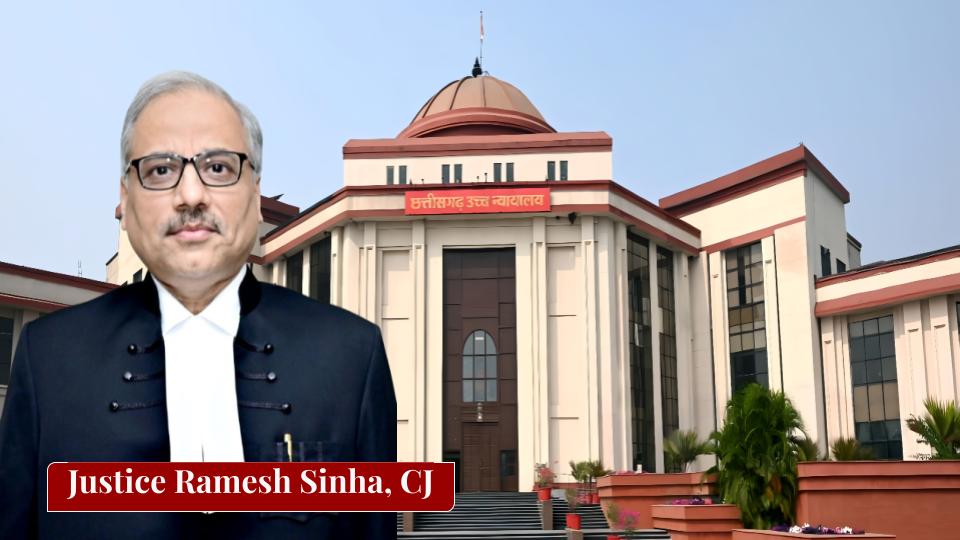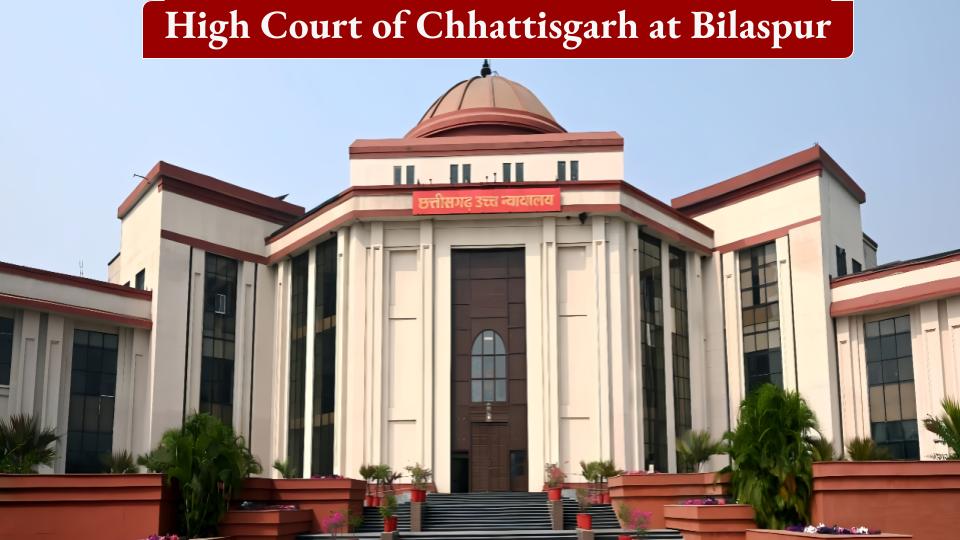
May 19, 2026 : The High Court of Chhattisgarh has issued a detailed circular introducing temporary administrative and judicial measures during the Summer Vacations of 2026, including virtual hearings, limited work-from-home arrangements, and vehicle pooling directives aimed at ensuring continuity of court functioning while conserving fuel and administrative resources. The circular was issued on May 19, 2026, under the directions of the Justice Ramesh Sinha, Chief Justice of the High Court following communications received from the Hon’ble Supreme Court of India.
According to the circular, hearings before the High Court during the summer vacation period will primarily be conducted through video conferencing. However, advocates who are unable to participate virtually due to unavoidable circumstances will still be permitted to appear physically before the court. The circular further clarifies that benches retain discretion to direct physical hearings wherever considered necessary in the interest of justice. This move reflects the judiciary’s continued reliance on hybrid court functioning developed after the COVID-19 pandemic, while balancing practical constraints and accessibility concerns for lawyers and litigants.
The High Court stated that the directions were issued in view of instructions circulated by the Supreme Court of India through communications dated May 15 and May 18, 2026. The circular also references the Supreme Court’s advisory regarding optimum fuel utilization and administrative efficiency. As part of the implementation strategy, judicial officers and ministerial officers of both the High Court and district judiciary have been requested to share official vehicles through “vehicle pooling” arrangements in order to reduce fuel consumption during the vacation period.
In another significant administrative direction, section in-charges and heads of office across the High Court and district judiciary have been permitted to allow staff members to work from home for up to two days per week. However, the circular imposes an important condition that at least 50 percent of the staff strength must remain physically available in office at all times. Employees working remotely have also been directed to remain accessible over telephone and report to office whenever required.
The circular additionally directs the Registrar (Judicial) and Registrar (Computerization) of the High Court Registry to ensure compliance with all arrangements concerning video conferencing facilities and related technological requirements. The High Court has also clarified that the continuation or modification of these measures after the summer vacation period will be reviewed later depending on prevailing circumstances.
Legally, the circular highlights the judiciary’s evolving approach toward digital justice delivery and administrative decentralization. Although the directions are administrative in nature and not issued under any specific statutory provision, they operate within the constitutional framework governing the High Courts under Articles 214 and 225 of the Constitution of India, which recognize the institutional powers and functioning of High Courts. The continued use of virtual hearings also aligns with the broader judicial policy encouraging technology-enabled access to justice, a principle repeatedly endorsed by the Supreme Court in recent years.
The decision is likely to have practical implications for litigants, advocates, court staff, and district judiciary officials across Chhattisgarh. For advocates practicing outside Bilaspur, virtual hearings may reduce travel costs and logistical difficulties during the vacation period. At the same time, the option for physical appearance ensures that matters requiring in-person arguments or urgent intervention are not adversely affected. The work-from-home relaxation for staff may also help reduce administrative pressure during the vacation period while maintaining essential judicial operations.