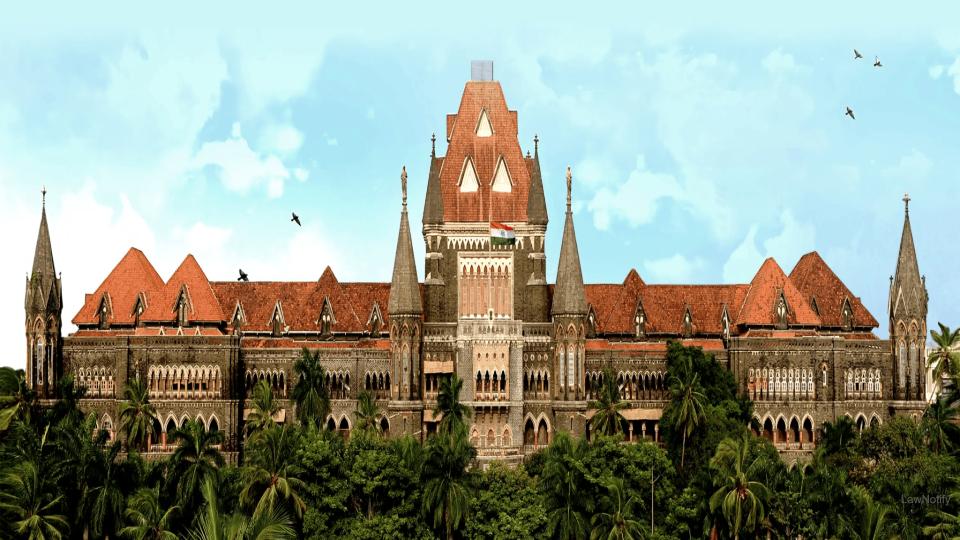
June 9, 2026 : The Bombay High Court has refused to grant interim relief to the Lilavati Kirtilal Mehta Trust and its trustee Prashant Mehta in a ₹1,000 crore defamation suit filed against HDFC Bank, its Managing Director and CEO Sashidhar Jagdishan, and other bank officials. The Court also directed the Trust to pay ₹5 lakh in costs to the bank within six weeks.
A single-judge Bench of Justice Somasekhar Sundaresan dismissed the Trust’s interim application seeking to restrain HDFC Bank and its officials from making any further allegedly defamatory statements against the Trust and its trustees. The plaintiffs had also sought the removal of earlier press releases and public statements issued by the bank on its website and social media platforms, along with a direction to issue a public apology.
The Court held that the plaintiffs had failed to establish a strong prima facie case warranting interim relief. It observed that, at this stage, there was insufficient material to conclude that the statements made by HDFC Bank were defamatory. The Court further found that the balance of convenience favoured the bank and noted that imposing a restraint on a listed financial institution could cause significant prejudice.
While rejecting the plea, the Court emphasized that preventing HDFC Bank from publicly responding to allegations made against it could undermine principles of transparency and freedom of speech. The Bench observed that a regulated banking institution has obligations toward its depositors, shareholders, and the broader market, which may require it to clarify its position publicly.
The Lilavati Trust and Prashant Mehta had alleged that the bank falsely portrayed them as wilful defaulters and vexatious litigants through media statements and press releases. According to the plaintiffs, these communications created an incorrect impression that substantial financial liabilities remained unpaid and that repeated legal proceedings were being used to obstruct recovery efforts.
Prashant Mehta argued that he was never a direct borrower from HDFC Bank and that any liability on his part could arise only in his capacity as a legal heir of his late father, Kishor Mehta, and would be limited to the inherited estate. On this basis, he contended that the bank’s statements were false or materially misleading.
However, after reviewing the record, the Court examined the history of recovery proceedings stemming from a Debt Recovery Tribunal order passed in 2004, subsequent recovery certificates, attachment proceedings, arrest directions, and multiple legal challenges filed before various forums.
The Court found that HDFC Bank’s key assertions regarding outstanding dues, recovery efforts spanning nearly two decades, and repeated litigation connected to the dispute were supported by judicial records and documents placed before it. It accepted the bank’s argument that the statements were a bona fide response to an ongoing public campaign allegedly directed against the bank and its senior officials.
Justice Sundaresan observed that HDFC Bank was entitled to clarify its position in the public domain, particularly when allegations against the institution were being circulated through legal proceedings, social media posts, and public statements. The Court also noted that the Lilavati Trust, despite not being the borrower entity, had actively participated in the dispute through public communications, legal proceedings, and complaints against the bank and its officials, including criminal complaints containing serious allegations.
In these circumstances, the Court held that it would be unreasonable to expect the bank to remain silent when faced with allegations affecting its reputation and operations. The Bench further remarked that the interim application appeared to form part of a long series of proceedings challenging recovery efforts, which had remained substantially stalled despite several judicial orders supporting recovery measures.
At the same time, the Court clarified that the dismissal of the interim application would not affect the merits of the main defamation suit. It observed that if, after a full trial and assessment of evidence, the statements are ultimately found to be defamatory, appropriate final relief, including a permanent injunction, could still be granted.